
 Print Magazine Subscription
Lowest Authorized Price
Friendly Customer Service
Print Magazine Subscription
Lowest Authorized Price
Friendly Customer Service

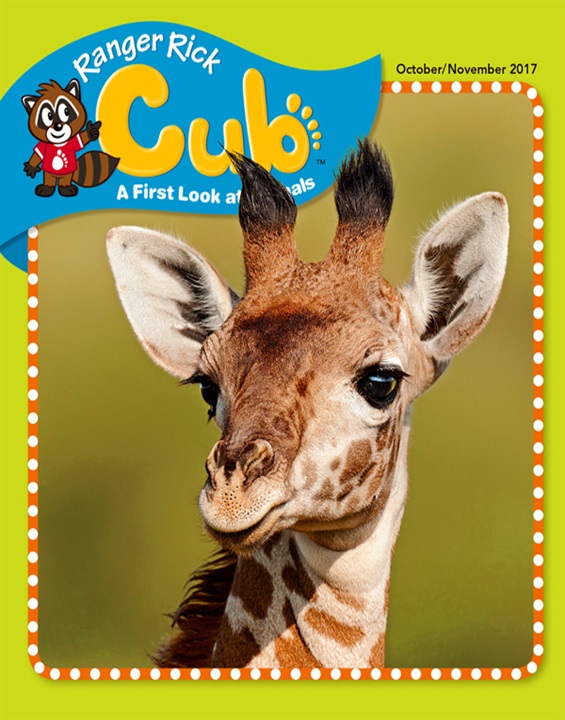
Ranger Rick Cub Magazine offers young children an engaging and enriching introduction to the natural world, making it a valuable subscription for families who want to nurture curiosity early. Designed specifically for ages 0–4, the magazine uses bright visuals, simple text, and interactive elements to capture attention while supporting early learning development. Each issue introduces animals and habitats in a way that is both accessible and exciting, helping children build a foundational appreciation for wildlife and the environment.
One of the strongest reasons to subscribe is the magazine’s focus on age-appropriate learning. The content is carefully crafted to match the developmental stage of toddlers and preschoolers, incorporating repetition, rhythm, and sensory-friendly design. Features like peek-a-boo flaps, simple stories, and bold imagery encourage participation and help strengthen cognitive and language skills. Parents benefit from a resource that entertains while also reinforcing early literacy and observation abilities.
Ranger Rick Cub Magazine also promotes meaningful parent-child interaction. The format naturally encourages adults to read along, point out animals, and ask simple questions, creating shared learning moments. These interactions are critical at a young age, helping children develop communication skills and emotional bonding. The magazine becomes more than just reading material—it serves as a tool for connection and guided discovery.
Another key advantage is the emphasis on fostering a love for nature from an early age. By introducing animals, outdoor environments, and basic ecological concepts, the magazine helps children develop respect and curiosity for the world around them. This early exposure can lead to long-term environmental awareness and positive attitudes toward conservation, making it a thoughtful choice for families who value sustainability and education.
Finally, subscribing to Ranger Rick Cub Magazine provides consistent, screen-free enrichment. In a time when digital content is often dominant, the magazine offers a tactile, hands-on alternative that supports healthy development. Regular delivery of new issues keeps children engaged over time and gives parents a reliable source of educational entertainment. Overall, it is a well-rounded subscription that combines fun, learning, and meaningful interaction in a way that benefits both children and caregivers.